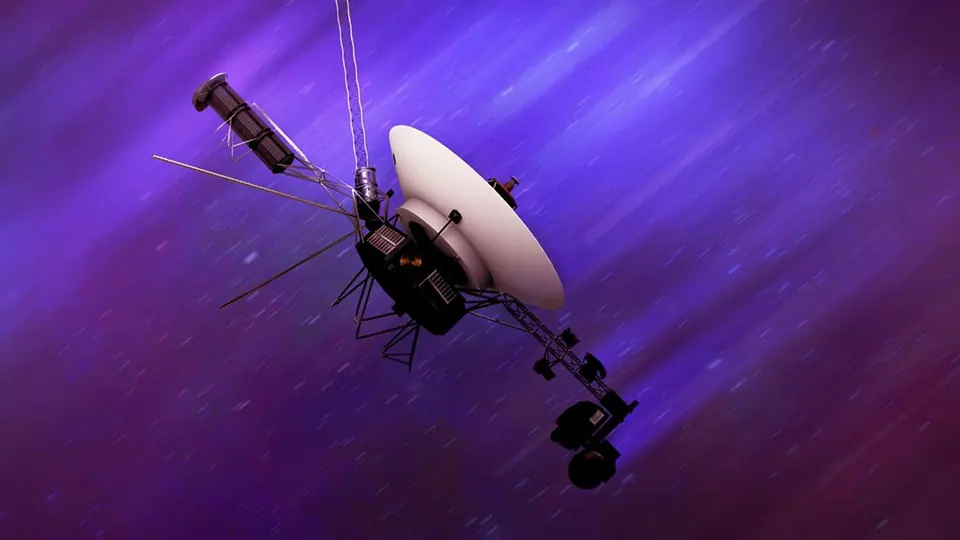
In June 2024, the Jet Propulsion Laboratory reported that all four science instruments on Voyager 1 were sending usable data again. The team had already recovered engineering information. Receiving a signal, understanding the spacecraft’s state and retrieving science data were separate milestones.
The same distinction applies to a chat or a radio network. A lit icon might mean there is a link. To the person waiting for a message, what matters is whether useful information is getting through again and whether the system will keep working next time.
When the system finds its state again
Damaged memory kept part of Voyager 1’s flight data system from working normally. JPL said the team moved portions of the code into usable parts of memory. Checking each instrument separately gave the team evidence that each data stream had recovered.
The Synapse development notes describe a fix for a sync loop that could occur after restarting with SQLite. They also mention a rare case in which stored events could be absent from synchronisation. The mechanisms differ. Both show why teams need to check the persistent record and what is delivered to the client.
An acknowledgement lost along the way
For Reticulum beta 0.8.4, the team documented two changes. It improved automatic reconnection for RNode devices using Bluetooth Low Energy and fixed a prolonged wait on slow transfers when a protocol acknowledgement was lost.
The wait matters to anyone deciding whether to try a different channel. A good status display shows what has been confirmed, preserves the operation that is still pending and changes state when it has enough evidence. Receipt by the transport and reading by a person are separate events.
Write down what must stay true
In a controlled environment, a team can record a pending operation, restart the module and see whether it retained the right state. A duplicate transport acknowledgement should produce a single visible effect. A temporary failure should allow recovery or end with an explanation. These are proposed checks for our context. The sources describe specific fixes and their limits.
This article reconstructs the theme of investigation 022 at an editorial level. We were unable to locate the original document. The references identify the documented fixes and distinguish the teams’ published work from the checks proposed here.
Sources and references
- JPL · Voyager 1’s instruments resume returning science data, June 2024
- Reticulum · RNS 0.8.4 beta release notes, October 2024
- Synapse · Test release 1.96.0rc1 notes on synchronisation
- ScopeLink Lab Magazine · What it means for a message to arrive
Sources reviewed on .