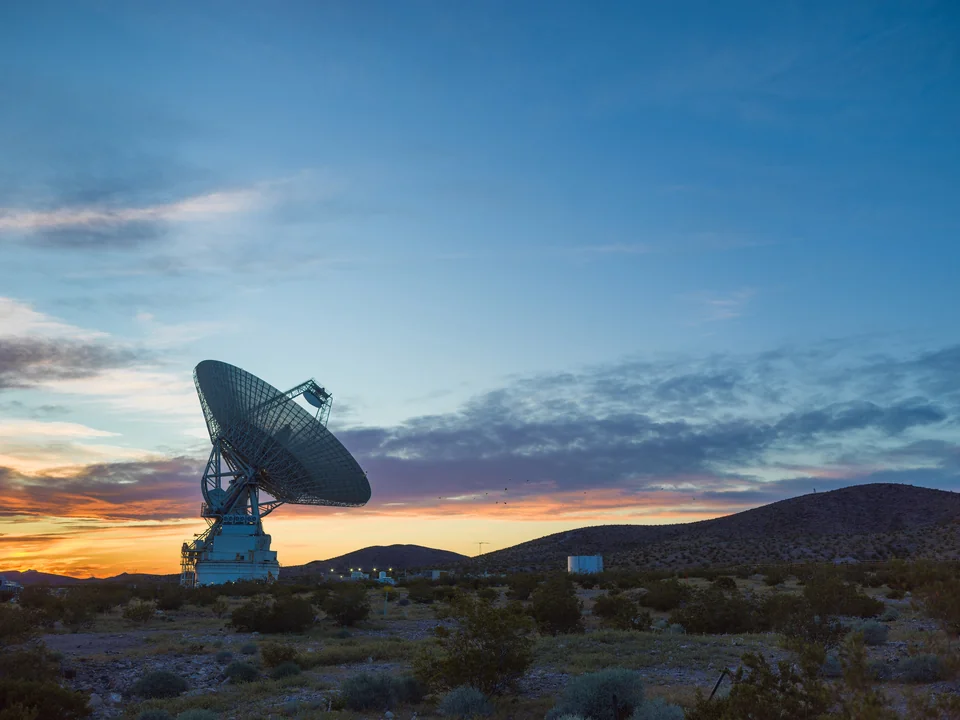
On 18 April 2024, the Voyager 1 team sent a change to a computer on the spacecraft. A radio signal took about 22 and a half hours each way. The answer came on 20 April. For the first time in five months, the engineers could read data on the health of the spacecraft.
Launched in 1977, the probe had kept transmitting throughout the fault. Earth could hear the radio signal, but the science and engineering data carried by it were unusable. The first step was to find where the information was being lost.
The computer that prepares the data
The Flight Data Subsystem, or FDS, collects and packages data for transmission to Earth. In November 2023 it stopped producing interpretable output. JPL identified a failed chip that stored part of the FDS memory, including some of the software it needed to prepare the data.
The team could not physically swap the chip. It could send commands and use working memory, but the available space was scattered across blocks too small to hold all the affected code together.
Moving the code in pieces
The team split the affected code, stored the blocks in separate regions and updated the references. Recovering instructions was one job. Making sure the rest of the software could find them in the right locations and order was another.
The first change brought engineering telemetry back. With the ability to check the spacecraft’s condition restored, the team then commanded the instruments to resume sending science data.
| Date | What was confirmed |
|---|---|
| April 18 – 20, 2024 | The team transmitted the change and received readable engineering data. |
| May 19, 2024 | The team sent the command to resume science data. Two instruments returned to normal operation immediately. |
| June 13, 2024 | JPL confirmed usable science data from all four instruments. |
What redundancy can mean
The four recovered instruments observed plasma waves, magnetic fields and particles. JPL reported further work, including synchronising the clocks on the three onboard computers. Science could resume while the aftermath of the fault was still being dealt with.
The reserve here was working memory, the ability to reprogram it and a link that still accepted commands. For a system that is hard to reach, a practical question is which functions remain available to diagnose, change and verify it after a component fails. Voyager 1 could send useful science again because those options remained open.
Sources and references
- JPL · Engineering data and memory recovery, 22 April 2024
- JPL · Science data from all four instruments, 13 June 2024
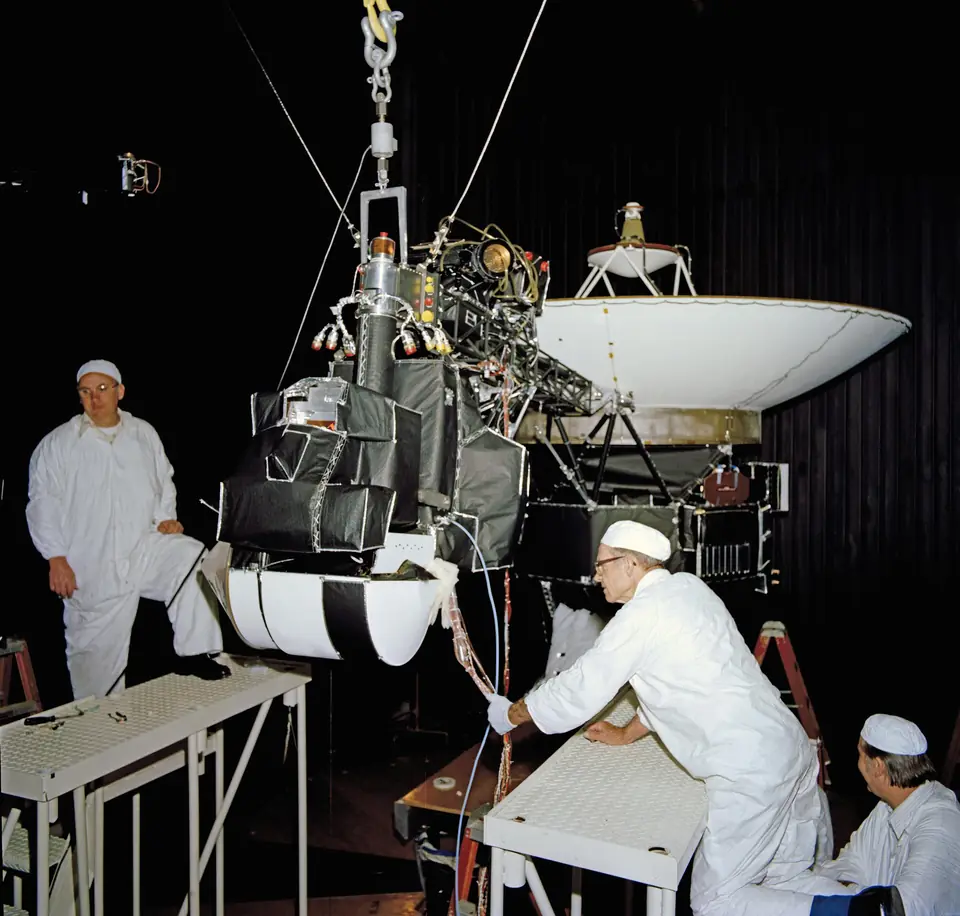
- JPL · Archive image of a Voyager spacecraft under test in 1977
Sources reviewed on .